

Treating the bone beneath the joint surface
Intraosseous procedures for knee pain
Knee pain can come from more than worn cartilage. The bone directly beneath the cartilage—called subchondral bone—may also develop stress-related changes, small fractures or areas of damage that contribute to pain.
The basics
What does “intraosseous” mean?
Intraosseous procedures target this bone. They may be considered for selected patients after a clinical examination and review of imaging.
“Intraosseous” means within the bone.
A conventional knee joint injection places medication or another substance into the joint space. An intraosseous procedure places a needle or specialized instrument into the bone beneath the joint surface to treat a specific area.
Subchondral bone
Why is the bone beneath the cartilage important?
Cartilage and the underlying bone work together to support the knee. Changes in how weight passes through the joint can place extra stress on the bone.
An MRI may show bone marrow lesions, sometimes described as bone marrow edema. These are areas of altered signal within the bone that can accompany arthritis, overload or small stress injuries. They may contribute to pain, but an MRI finding alone does not establish the cause of your symptoms.

Procedures
What types of procedures are available?
Intraosseous injections
These procedures deliver an injectable preparation into selected areas of bone, usually with imaging guidance.
One example is platelet-rich plasma (PRP), prepared from a sample of the patient’s own blood. It is being studied as a treatment for changes in the bone beneath an arthritic joint, sometimes alongside an injection into the joint itself.
Intraosseous PRP is an emerging treatment. Studies suggest possible improvement in pain and function, but its additional benefit over joint injections alone and its long-term effectiveness remain uncertain.
Subchondroplasty
Subchondroplasty involves placing a specialized calcium phosphate bone substitute into a selected area of damaged subchondral bone. The material acts as a scaffold that may be gradually replaced by the body’s bone during healing.
This procedure targets certain bone defects or symptomatic bone marrow lesions. It does not replace worn cartilage or correct all the changes associated with arthritis.
Candidacy
Who may be considered for treatment?
Your doctor may discuss an intraosseous procedure if:
- You have persistent knee pain despite appropriate nonsurgical treatment.
- Your examination and imaging suggest that the underlying bone contributes to your pain.
- There is a specific area that can be targeted.
- Your overall joint condition, bone health and knee alignment make treatment reasonable.
These procedures are not suitable for everyone. Advanced arthritis, substantial deformity, bone collapse, infection or other conditions may make a different treatment more appropriate.
The procedure
What happens during the procedure?
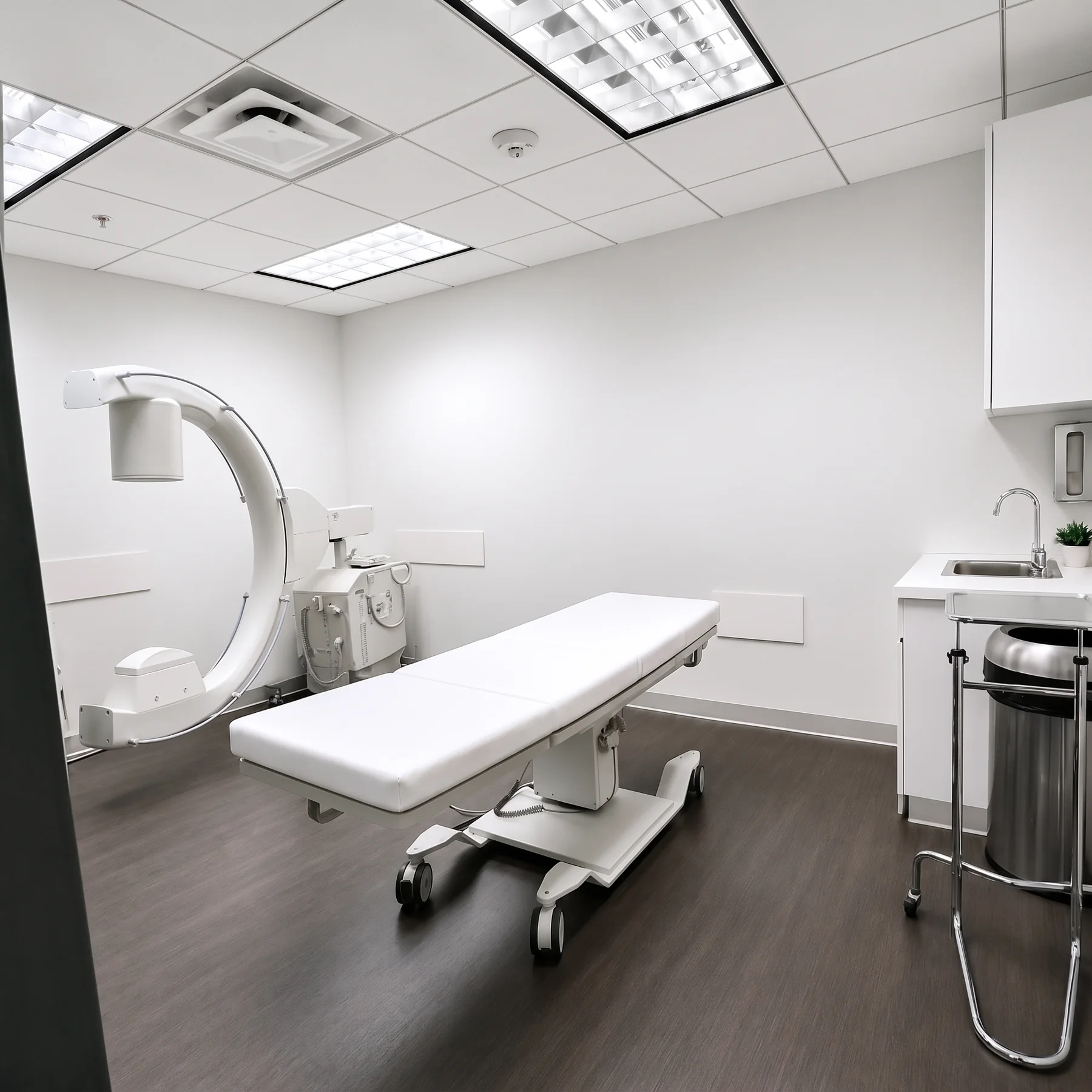
Your doctor reviews your scans and identifies the treatment area. After appropriate anesthesia, a needle or instrument is guided into the bone, commonly using X-ray imaging.
The next steps depend on the procedure: an injectable preparation may be delivered, or a bone substitute may be placed into the selected defect. Some procedures are performed alongside knee arthroscopy.
Many patients can go home the same day, depending on the treatment and their medical condition.
Benefits
What benefits can I expect?
The goal is to reduce pain and improve walking, movement and everyday function.
Some patients improve, while others obtain limited or no relief. Results depend on the underlying diagnosis, severity of arthritis, joint alignment and other factors.
These procedures have not been established as a way to reliably regrow normal cartilage, reverse arthritis or prevent knee replacement. Research is continuing, and the quality of evidence differs between treatments.
Recovery
What is recovery like?
Temporary pain, swelling or bruising may occur after treatment. You may need crutches or a walker and a period of reduced weight-bearing.
Recovery instructions depend on the procedure, the condition of the bone and whether another treatment was performed at the same time. Your care team will explain:
- How much weight you can place on the leg.
- When you can return to work and driving.
- When to start exercises or physiotherapy.
- When you can resume longer walks, sports or impact activities.
Improvement may develop gradually over weeks to months.
Risks
What are the risks?
Possible risks include infection, bleeding, increased pain, swelling, injury to nearby structures and complications related to anesthesia. Bone injury or fracture can also occur.
With subchondroplasty, the bone substitute may leak outside the intended area and occasionally require additional treatment. Symptoms may persist, and further procedures—including knee replacement—may still be needed.
Your doctor will explain the specific risks of the proposed treatment.
Is this the same as a regular knee injection?
No. A regular joint injection enters the joint space. An intraosseous procedure targets the bone beneath it.
Will it regrow my cartilage?
Reliable regrowth of normal joint cartilage has not been established with these procedures.
Can it help me avoid knee replacement?
Some patients may experience improvement and postpone further surgery. However, there is no guarantee that treatment will delay or prevent knee replacement.
Will I need an MRI?
An MRI is often important for evaluating the bone beneath the cartilage. Your doctor will decide which scans are needed.
What other treatments should I consider?
Depending on your diagnosis, options may include exercise and physiotherapy, weight management when appropriate, medication, bracing, joint injections or surgery.
Discuss your treatment options
A consultation can help determine whether your knee pain arises from the joint surface, underlying bone or another structure. Our team will review your symptoms and scans and discuss the likely benefits, limitations and alternatives before recommending treatment.
This information is educational and does not replace an individual medical assessment.