

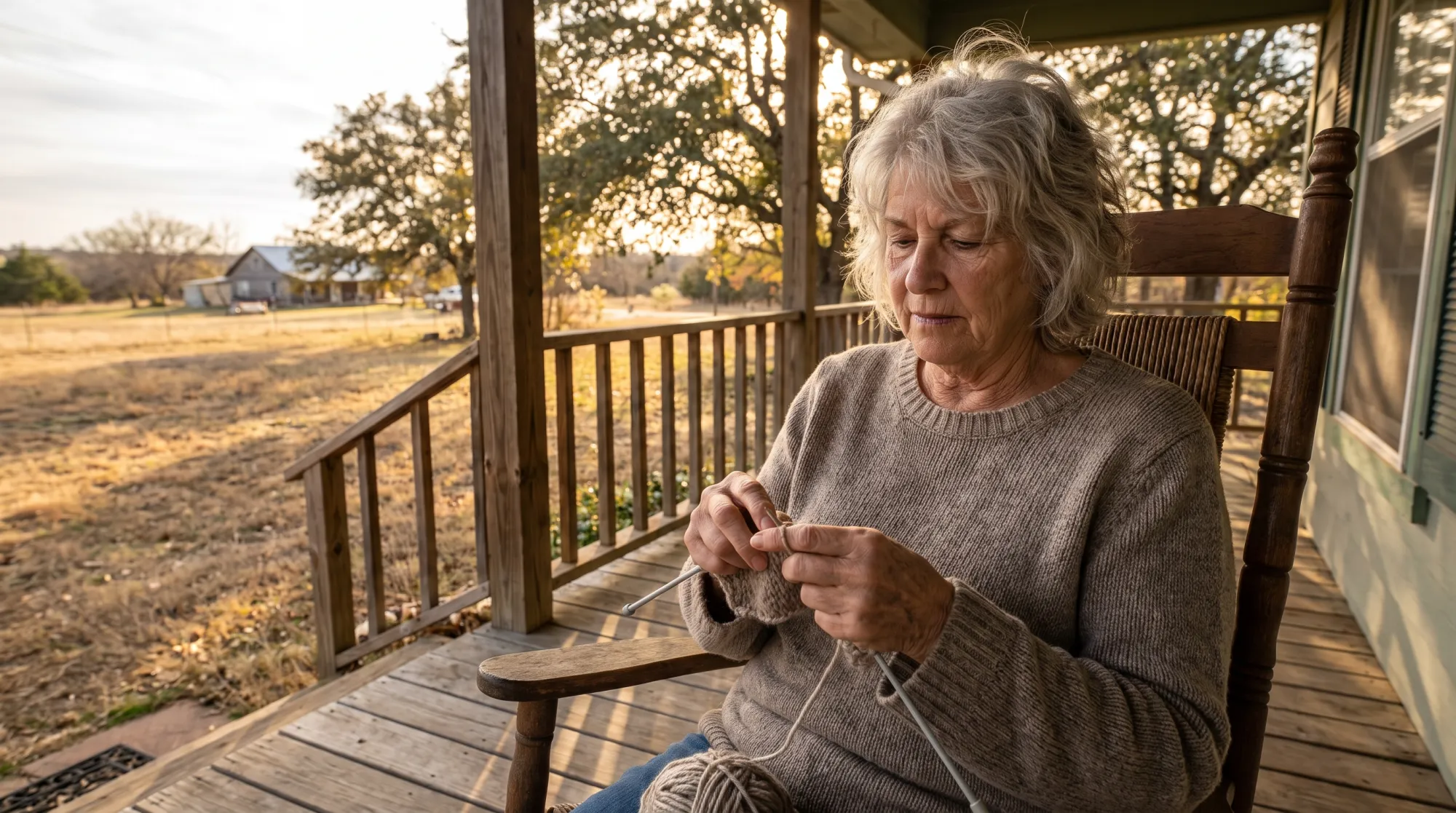
Hand & wrist conditions
Thumb (basal joint) osteoarthritis
Non-surgical, ultrasound-guided treatment for the arthritic base of the thumb — the joint you use for every pinch and grip.
Understanding the condition
Arthritis at the base of the thumb
The carpometacarpal (CMC) or basal joint sits at the base of the thumb, where it meets the wrist. It is a saddle-shaped joint built for an unusual amount of movement, and that mobility comes at the cost of stability — which is why it is one of the joints in the body most commonly affected by osteoarthritis.
Patients notice it as a pinch problem long before they notice it as a pain problem: jars, keys, buttons, a phone held for too long. Over time the joint can become tender, enlarged and weak.
Symptoms
What patients describe
- Pain at the base of the thumb when you pinch or grip
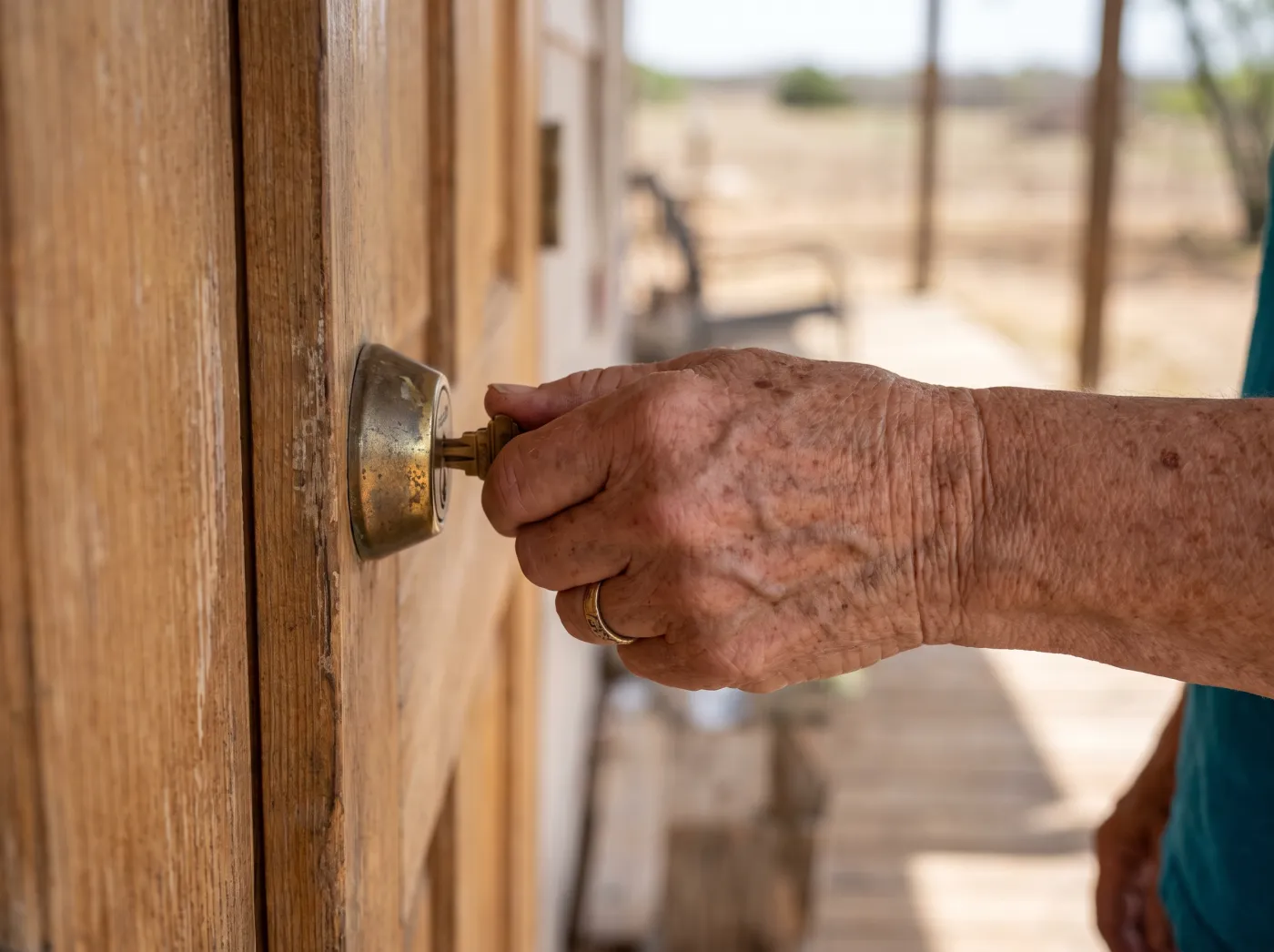
- Difficulty opening jars, turning keys or using a pen
- Aching after writing, typing or using a phone
- Weakness and loss of pinch strength
- Swelling or a squared-off look at the base of the thumb
- Grinding or a catching sensation when moving the thumb
If this sounds like your situation, a consultation starts with finding out exactly which structure is causing the pain.
Treatment
Thumb arthritis treatment at RegenOrthoSport
Primary treatment
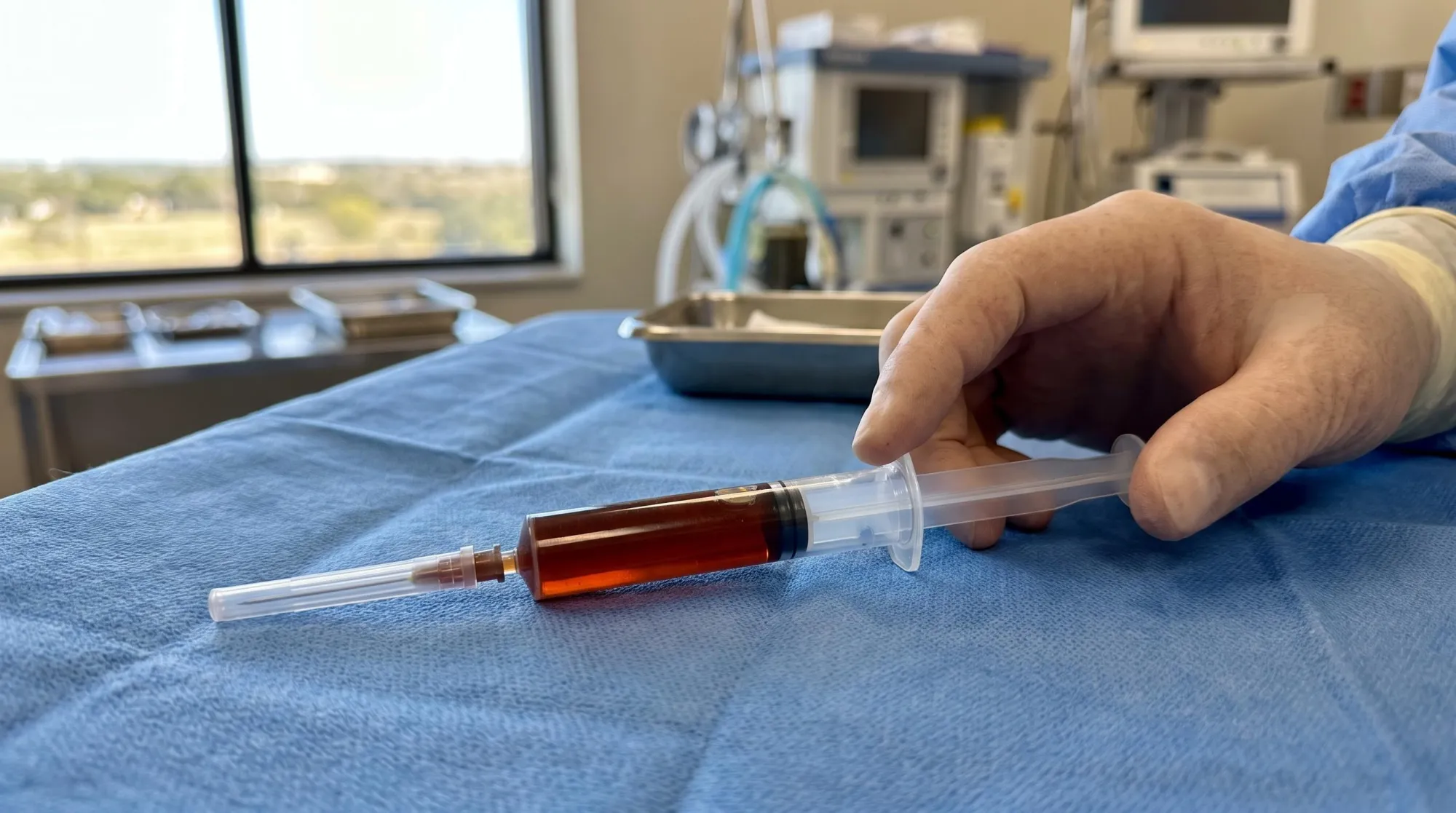
Image-guided stem cell therapy (BMAC)
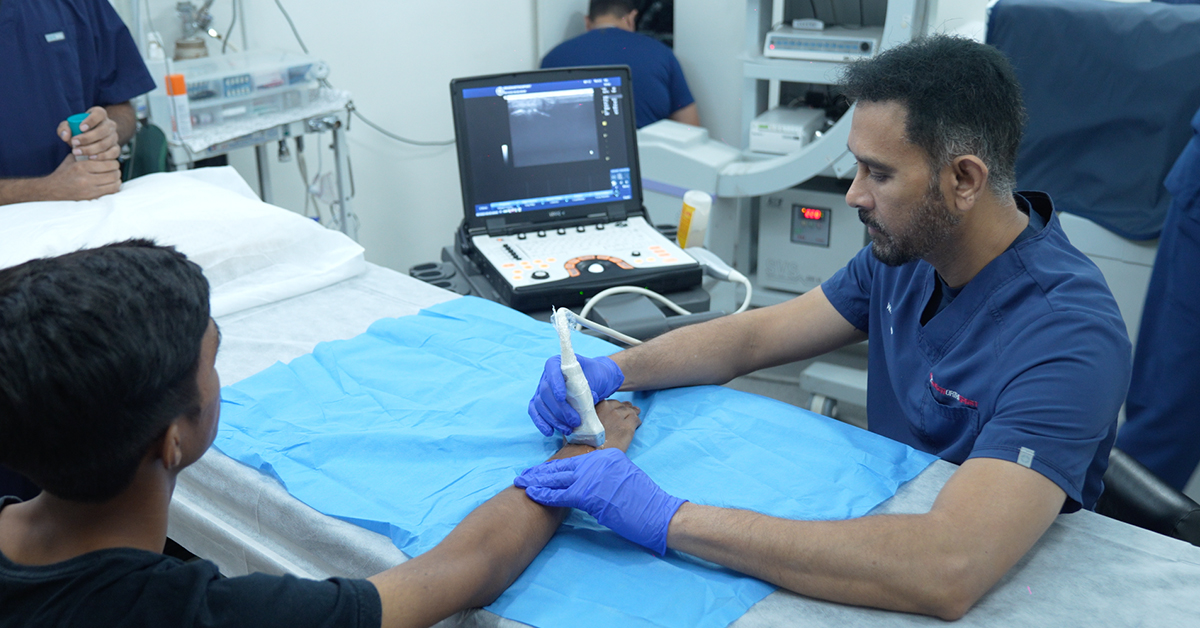
Regenerative injection of the basal joint is performed under ultrasound guidance — the joint is small, and accurate placement is the whole point.
Bone marrow is collected from the back of your hip, concentrated in a centrifuge, and placed by Dr. Movva under ultrasound or X-ray guidance so the treatment reaches the structure that is actually injured.
Before surgery or steroids
Why look at regenerative options first?
Surgery for basal joint arthritis usually involves removing the trapezium bone and reconstructing the support around the thumb. It can be effective, but it is a significant procedure with a rehabilitation period measured in months, and it permanently changes the anatomy of the thumb.
Splinting, hand therapy and image-guided injections are far less disruptive, are done in the office, and can be repeated or escalated. For many patients it is simply the sensible order to try things in.
Your plan
What treatment can include
- Ultrasound-guided regenerative injection of the basal joint
- A custom or off-the-shelf thumb splint for loaded tasks
- Hand therapy for the muscles that stabilize the thumb
- Adaptations for gripping, writing and phone use
- Assessment of the neighbouring joints and the wrist
Every plan begins with a detailed assessment. Dr. Movva will tell you if regenerative treatment is not the right option for your case.
Recovery timeline
What to expect after treatment
All patients go home the same day. Mild soreness at the bone marrow collection site and injection areas is common for several days, as the healing process begins with a natural inflammatory response.
-
First few days
Mild soreness or stiffness is typical.
-
Weeks 2–6
Gradual improvement in pain, mobility, and daily function.
-
Months 2–6
Continued healing as stem cells and growth factors support tissue repair.
-
Your rehab plan
Dr. Movva provides a personalized rehabilitation plan to help you achieve the best possible results.
Patient reviews
Patients in their words
Dr Movva and his staff are wonderful! I was able to have my thumb, elbow, shoulder and back treated in two days and am looking forward to having pain free movement back soon!
Individual results vary. Patient testimonials describe personal experiences and are not a guarantee of outcome for any other patient.
Related
More hand & wrist conditions
Am I a candidate for regenerative orthopedic treatment?
Candidates are typically individuals seeking non-surgical options for joint pain, sports injuries, tendon or ligament damage, or degenerative orthopedic conditions. Your physician will determine whether regenerative treatment is appropriate based on your diagnosis, imaging findings, and overall health.
Can regenerative treatments help me avoid surgery?
Many patients seek regenerative orthopedic care because they want to delay or avoid surgery whenever appropriate. While surgery may still be necessary in some cases, our goal is to explore advanced non-surgical options that may help relieve pain, improve function, and support natural healing before considering surgical intervention.
How long before I notice improvement?
Healing is a gradual biological process. Some patients begin noticing improvement within several weeks, while others continue to experience progress over several months as damaged tissues respond to regenerative treatment.
How many treatments will I need?
The number of treatments depends on your diagnosis, severity of injury, treatment goals, and healing response. Some patients achieve their desired outcome after a single procedure, while others may benefit from a staged treatment plan.
Consultation request
Get your thumb evaluated
Tell us where it hurts and how it is holding you back. Our team will contact you to schedule a consultation with Dr. Movva at our Dallas office.
- Consultation with Dr. Movva
- Review of your history and imaging
- An honest answer on candidacy
Prefer to talk? Call (817) 442-9292 or text (817) 441-0457.
Contact us or request an appointment
Fields marked * are required.