

Other treatments
Platelet-rich plasma (PRP)
A non-surgical treatment that uses the healing potential of your own blood to accelerate tissue repair, reduce pain, and restore function for orthopedic injuries and arthritis.
What is PRP?
Concentrated platelets, placed precisely
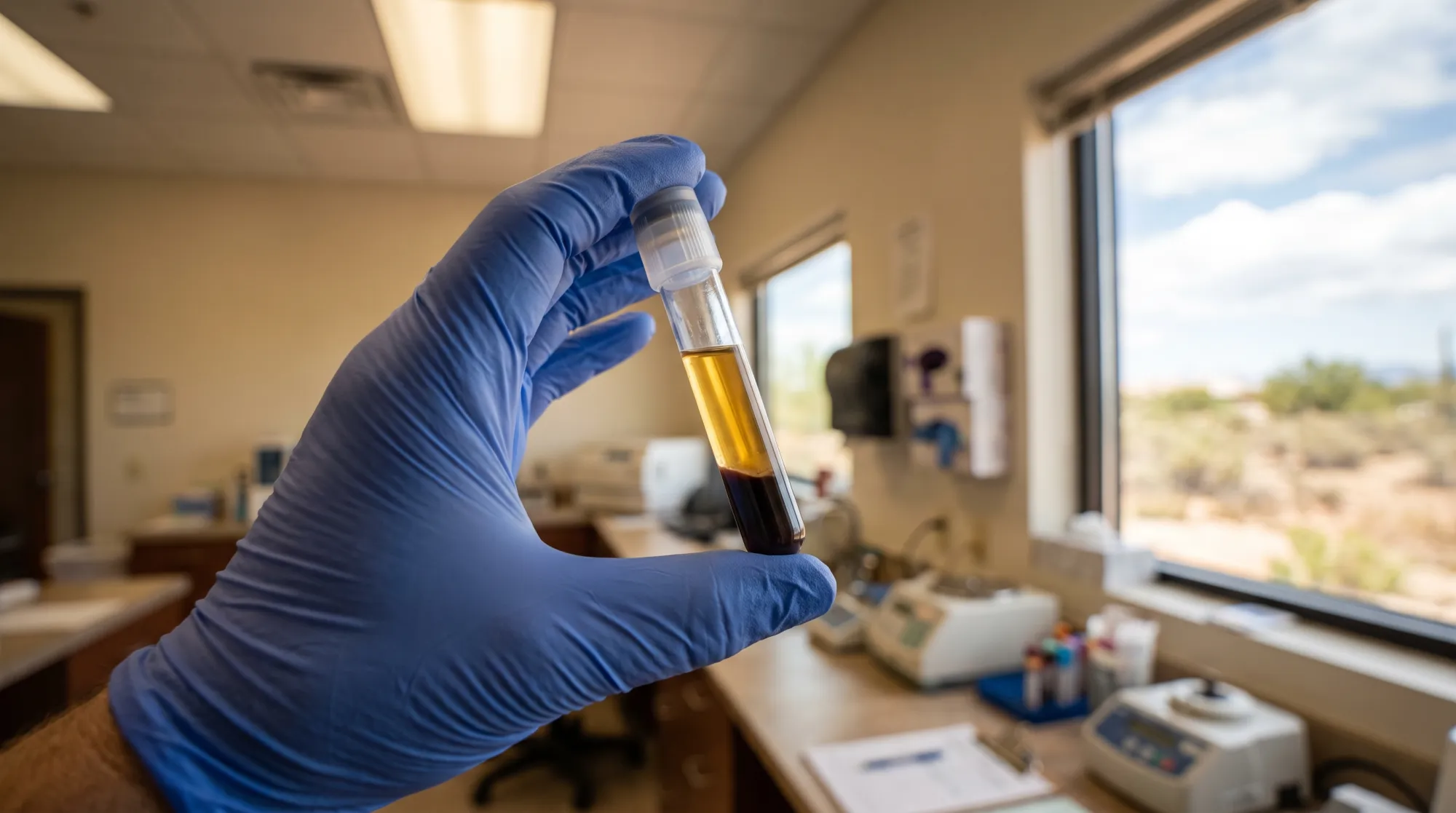
Platelets are blood cells best known for their role in clotting, but they also contain growth factors that signal the body to repair damaged tissue. PRP therapy works by highly concentrating these platelets and reinjecting them precisely into the area of injury.
- A blood sample is drawn from your arm. The amount will vary based on your unique condition and treatment plan.
- The blood is processed in a centrifuge to separate and concentrate platelets.
- The resulting platelet-rich plasma is injected precisely into the injured area using ultrasound or X-ray guidance.

What PRP is used for
Conditions treated with PRP
- Osteoarthritis: knees, hips, shoulders, and ankles
- Muscle and tendon injuries: tennis elbow, Achilles tendonitis, rotator cuff damage
- Ligament sprains: ACL, MCL, and other soft tissue injuries
- Sports injuries: chronic pain from overuse or repetitive motion
Dr. Movva recommends PRP or stem cell therapy (bone marrow concentrate) based on your diagnosis. Unlike cortisone, PRP is designed to promote long-term tissue healing, so results often improve over several months.
After treatment
What to expect after PRP
PRP is a same-day procedure, so most patients return home shortly after treatment. You may notice mild soreness or stiffness in the treated area for several days as your body responds to the injection.
-
Immediately after
Expect some discomfort at the injection site.
-
First few weeks
Gradual improvement in pain and function as healing begins.
-
2–6 months
Continued progress as tissue repair strengthens over time.
-
Your rehab plan
Dr. Movva provides each patient with a customized rehabilitation plan to optimize recovery.
Related platelet treatments
Platelet lysate (PL)
Platelet lysate therapy involves processing platelets to release concentrated growth factors. It can be incorporated into treatment plans for certain:
- Tendon disorders
- Ligament injuries
- Joint degeneration
- Soft tissue conditions
- Spine disorders
- Chronic musculoskeletal pain
The appropriate treatment is determined after a comprehensive clinical evaluation.
Related platelet treatments
Hyper-concentrated platelets (HCP)
Hyper-concentrated platelets (HCP) are prepared from your own blood. Apart from their role in clotting, platelets release growth factors that are involved in tissue repair. Blood is drawn from a vein in your arm and the platelets are concentrated in the lab for you, to a higher platelet concentration than standard PRP. The concentrate is then injected into the injured area under ultrasound or fluoroscopic guidance.
HCP is a same-day, outpatient procedure done with injections. Depending on the extent of the damage it can be used on its own, or together with stem cell therapy. It can be considered for:
- Ligament sprains and tears
- Tendon tears
- Tennis and golfer’s elbow
- Hand and wrist conditions, including carpal tunnel syndrome
- Foot and ankle injuries
Dr. Movva recommends HCP, PRP or stem cell therapy based on your diagnosis and how your tissue has responded so far.
Compare
Considering stem cell therapy?
Find the right treatment for you
Schedule a consultation with Dr. Venkatesh Movva at our Dallas office.