

Elbow conditions
UCL injuries & the Tommy John question
For throwers with a partial UCL injury: an image-guided evaluation of whether the ligament can be treated without reconstruction.
Understanding the condition
The ligament that holds a throwing elbow together
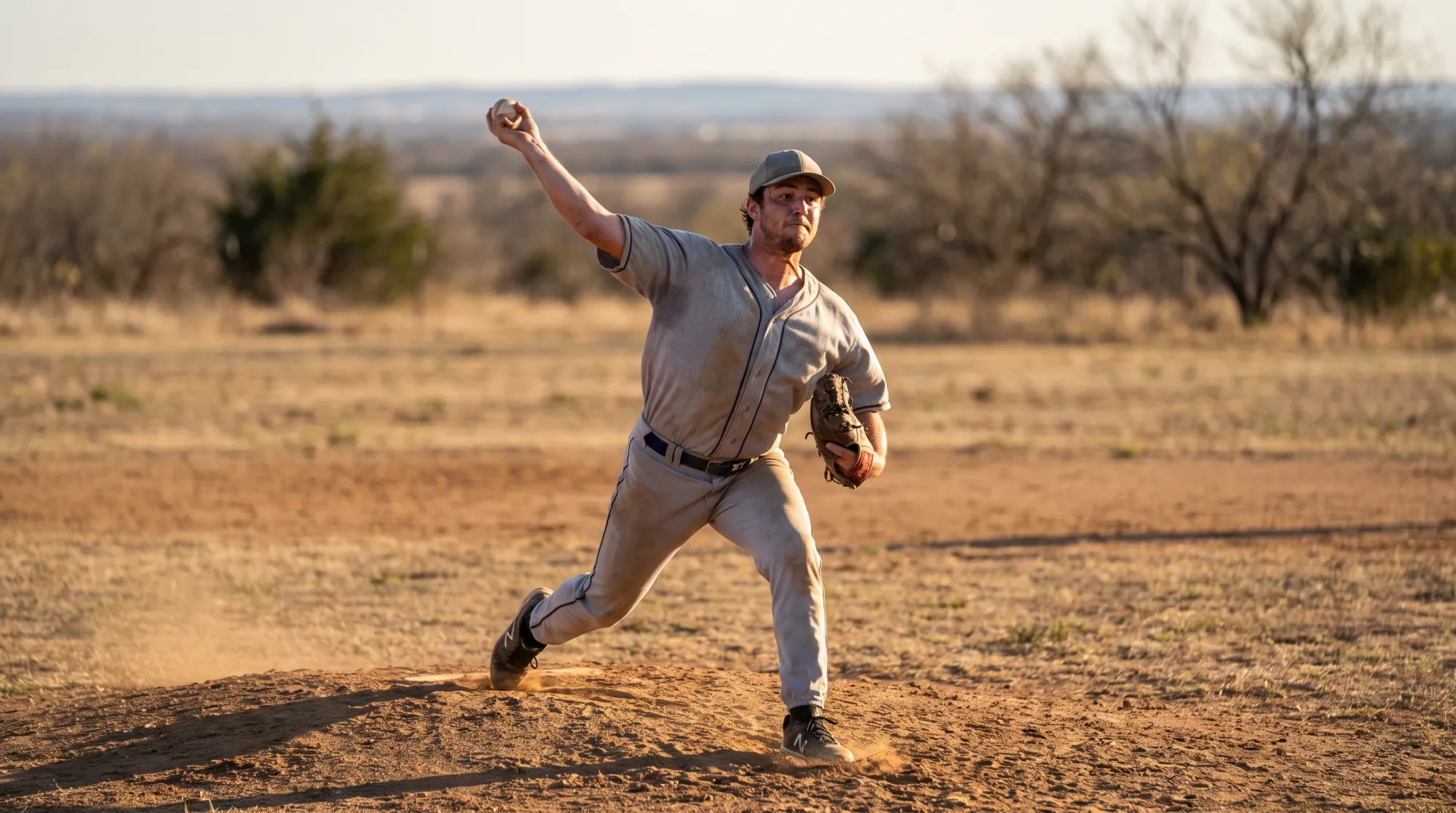
The ulnar collateral ligament runs along the inside of the elbow and resists the enormous valgus force generated when you throw. Injury to it is the classic overhead athlete’s problem — pitchers above all, but also javelin throwers, quarterbacks, volleyball and tennis players.
"Tommy John surgery" is the common name for reconstructing that ligament with a tendon graft. It is a well-established operation with a long, structured rehabilitation. The question worth asking first is whether the ligament is completely torn or only partially injured, because those are different problems.
Symptoms
What patients describe
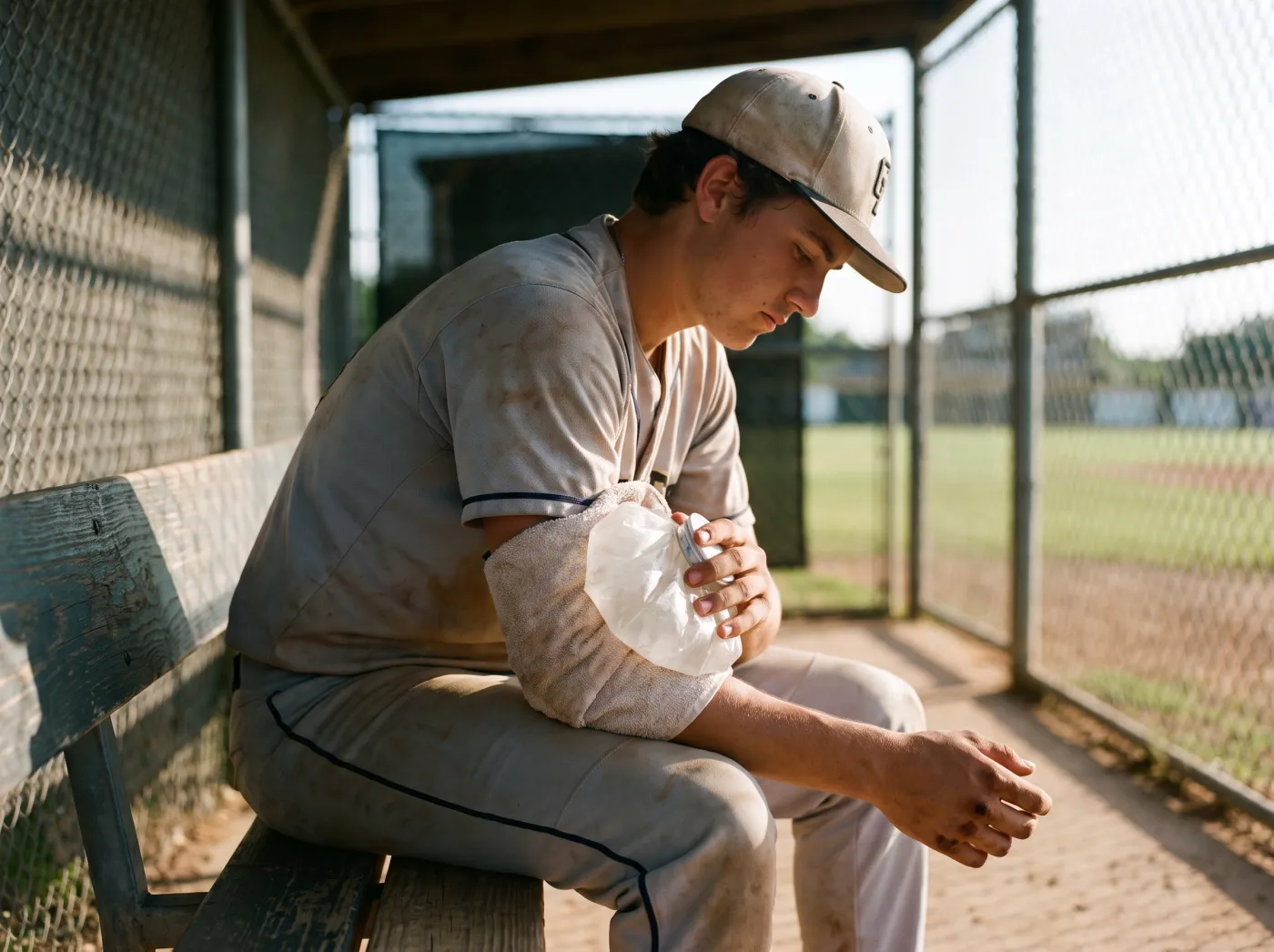
- Pain on the inside of the elbow when throwing
- Loss of velocity or control
- A pop or sudden pain during a throw
- Aching after throwing that takes longer to settle each time
- Tingling into the ring and little fingers
- A sense that the elbow is not stable at the top of the throwing motion
If this sounds like your situation, a consultation starts with finding out exactly which structure is causing the pain.
Treatment
UCL treatment at RegenOrthoSport
Primary treatment
Image-guided stem cell therapy (BMAC)
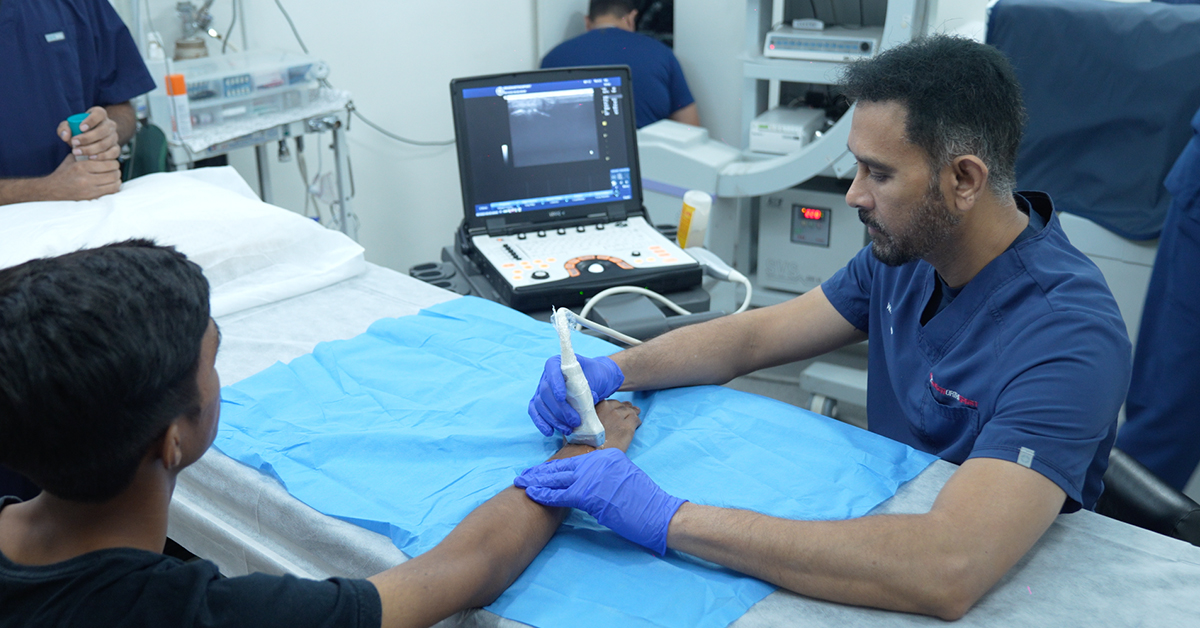
For partial UCL injuries, image-guided PRP or bone marrow concentrate can be placed directly into the damaged portion of the ligament under ultrasound.
Bone marrow is collected from the back of your hip, concentrated in a centrifuge, and placed by Dr. Movva under ultrasound or X-ray guidance so the treatment reaches the structure that is actually injured.

Before surgery or steroids
Why look at regenerative options first?
A complete UCL rupture in a competitive thrower is usually a surgical problem, and we will say so. Partial tears and chronic ligament change are more nuanced: many are managed with a structured throwing program, and image-guided injections are used alongside that program rather than instead of it.
What matters most is an accurate assessment of the ligament — dynamic ultrasound, a careful examination, and a realistic conversation about your level of play and your timeline.
Your plan
What treatment can include
- Dynamic ultrasound assessment of the UCL under valgus stress
- Image-guided PRP or bone marrow concentrate for partial injuries
- A staged interval throwing program
- Shoulder, trunk and hip assessment — the elbow rarely fails alone
- A frank discussion of when reconstruction is the better option
Every plan begins with a detailed assessment. Dr. Movva will tell you if regenerative treatment is not the right option for your case.
Recovery timeline
What to expect after treatment
All patients go home the same day. Mild soreness at the bone marrow collection site and injection areas is common for several days, as the healing process begins with a natural inflammatory response.
-
First few days
Mild soreness or stiffness is typical.
-
Weeks 2–6
Gradual improvement in pain, mobility, and daily function.
-
Months 2–6
Continued healing as stem cells and growth factors support tissue repair.
-
Your rehab plan
Dr. Movva provides a personalized rehabilitation plan to help you achieve the best possible results.
Patient reviews
Patients in their words
He has kept me from having multiple unnecessary surgeries. I have now seen him three different times for stem cell treatments. First was on my elbow to repair two torn ligaments… A year or so later both shoulders went out on me. I did stem cell treatments again.
Individual results vary. Patient testimonials describe personal experiences and are not a guarantee of outcome for any other patient.
Related
More elbow conditions
Am I a candidate for regenerative orthopedic treatment?
Candidates are typically individuals seeking non-surgical options for joint pain, sports injuries, tendon or ligament damage, or degenerative orthopedic conditions. Your physician will determine whether regenerative treatment is appropriate based on your diagnosis, imaging findings, and overall health.
Who may not be a candidate?
Certain advanced injuries, severe joint damage, active infections, or specific medical conditions may make regenerative treatment less appropriate. Every patient receives a comprehensive evaluation to determine the safest and most effective treatment approach.
Can I return to sports or exercise after the treatment?
Return to sports depends on your diagnosis, the procedure performed, and your body's healing response. Our team develops individualized recovery plans designed to help patients safely return to their desired activities as healing progresses.
Can regenerative treatments help if I've already been told I need surgery?
Some patients who have been advised to undergo surgery may still benefit from a regenerative orthopedic evaluation. Depending on the condition and its severity, advanced non-surgical treatments may be an option to help improve function or potentially delay surgery. However, surgery remains the best treatment for some conditions, and recommendations are made on an individual basis.
Consultation request
Get your elbow evaluated
Tell us where it hurts and how it is holding you back. Our team will contact you to schedule a consultation with Dr. Movva at our Dallas office.
- Consultation with Dr. Movva
- Review of your history and imaging
- An honest answer on candidacy
Prefer to talk? Call (817) 442-9292 or text (817) 441-0457.
Contact us or request an appointment
Fields marked * are required.