


Spine conditions
Spondylolysis
Image-guided, non-surgical care for the stress fracture in the lower spine that most often shows up in young athletes.
Understanding the condition
A stress fracture in the arch of the vertebra
Spondylolysis is a defect or stress fracture in the pars interarticularis — the narrow bridge of bone connecting the facet joints at the back of a vertebra, most often the lowest one in the lumbar spine.
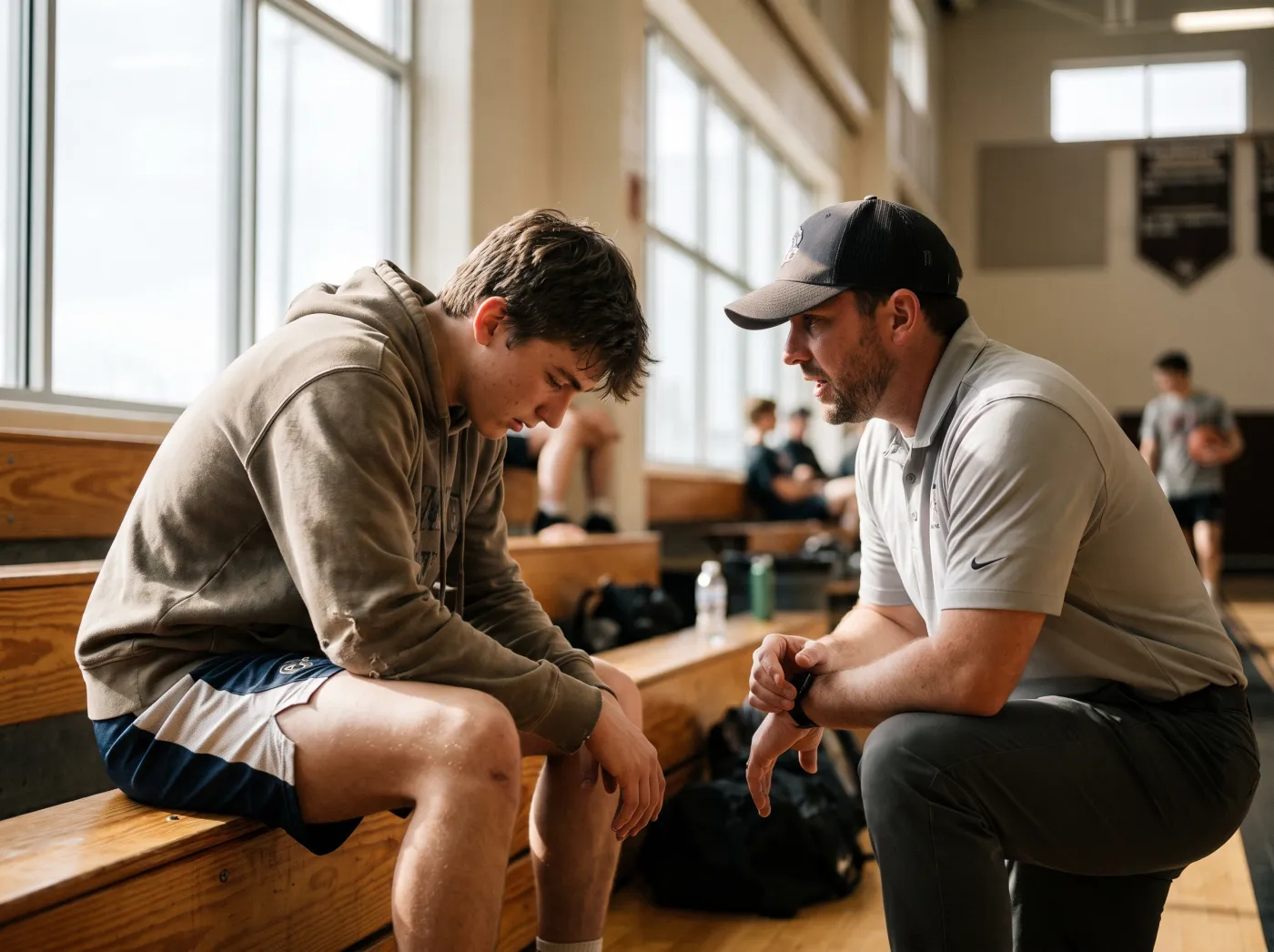
It is classically an injury of repeated extension and rotation, which is why it turns up in gymnasts, divers, cricketers, throwers, dancers and offensive linemen. It can also be found incidentally in adults who have had it for years. If the defect allows the vertebra to slip forward, it is called spondylolisthesis.
Symptoms
What patients describe
- Low back pain that is worse arching backwards
- Pain during or after sport, easing with rest
- One-sided back pain in an adolescent athlete
- Tight hamstrings and a reluctance to bend forward
- Pain provoked by standing on one leg and leaning back
- Back pain that returns each time training volume increases
If this sounds like your situation, a consultation starts with finding out exactly which structure is causing the pain.
Treatment
Spondylolysis treatment at RegenOrthoSport
Primary treatment
Image-guided stem cell therapy (BMAC)
Where a regenerative injection is appropriate, it is directed under image guidance at the pars defect or at the painful facet and ligamentous structures around it.
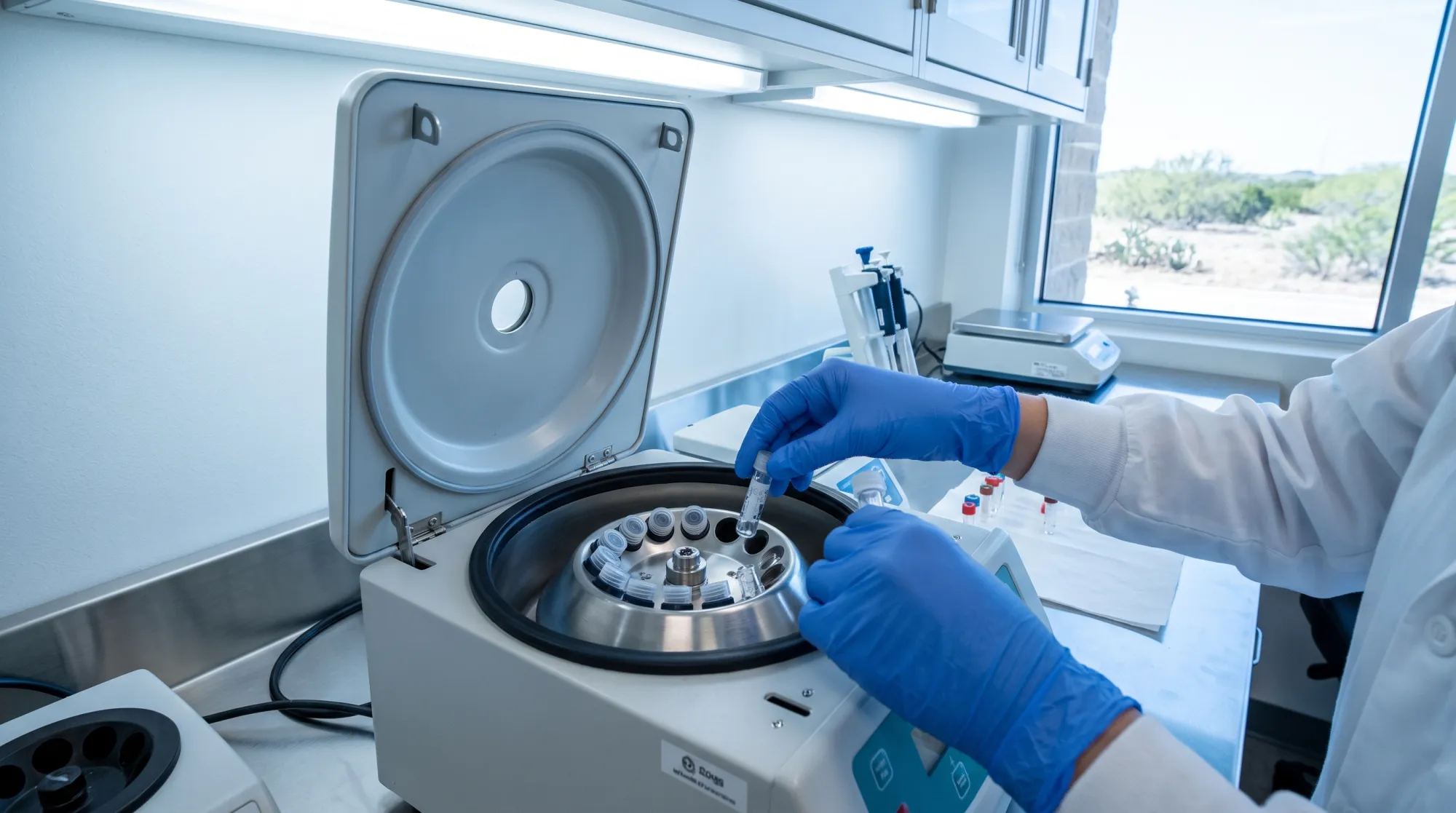
Bone marrow is collected from the back of your hip, concentrated in a centrifuge, and placed by Dr. Movva under ultrasound or X-ray guidance so the treatment reaches the structure that is actually injured.

Before surgery or steroids
Why look at regenerative options first?
Most cases of spondylolysis are managed without surgery: relative rest, activity modification, bracing in some cases, and a program that restores control of the lower back. Surgery — repair of the defect or fusion of the segment — is reserved for the minority who remain symptomatic or who have a significant slip.
The value of a proper evaluation here is mostly in getting the diagnosis and the staging right, because a fresh stress reaction and an old, established defect need very different plans.
Your plan
What treatment can include
- Imaging review to establish whether the defect is acute or long-standing
- Image-guided injection where a specific structure is driving the pain
- A graded core and hip stability program
- Activity modification and a staged return to sport
- Bracing in selected cases
Every plan begins with a detailed assessment. Dr. Movva will tell you if regenerative treatment is not the right option for your case.
Recovery timeline
What to expect after treatment
All patients go home the same day. Mild soreness at the bone marrow collection site and injection areas is common for several days, as the healing process begins with a natural inflammatory response.
-
First few days
Mild soreness or stiffness is typical.
-
Weeks 2–6
Gradual improvement in pain, mobility, and daily function.
-
Months 2–6
Continued healing as stem cells and growth factors support tissue repair.
-
Your rehab plan
Dr. Movva provides a personalized rehabilitation plan to help you achieve the best possible results.
Am I a candidate for regenerative orthopedic treatment?
Candidates are typically individuals seeking non-surgical options for joint pain, sports injuries, tendon or ligament damage, or degenerative orthopedic conditions. Your physician will determine whether regenerative treatment is appropriate based on your diagnosis, imaging findings, and overall health.
Can I return to sports or exercise after the treatment?
Return to sports depends on your diagnosis, the procedure performed, and your body's healing response. Our team develops individualized recovery plans designed to help patients safely return to their desired activities as healing progresses.
What is recovery like after treatment?
Recovery is typically much shorter than traditional orthopedic surgery. All patients go home the same day and gradually resume normal daily activities based on their physician's recommendations and individualized rehabilitation plan.
How long before I notice improvement?
Healing is a gradual biological process. Some patients begin noticing improvement within several weeks, while others continue to experience progress over several months as damaged tissues respond to regenerative treatment.
Consultation request
Get your back evaluated
Tell us where it hurts and how it is holding you back. Our team will contact you to schedule a consultation with Dr. Movva at our Dallas office.
- Consultation with Dr. Movva
- Review of your history and imaging
- An honest answer on candidacy
Prefer to talk? Call (817) 442-9292 or text (817) 441-0457.
Contact us or request an appointment
Fields marked * are required.