

Other conditions
Non-union fractures
For a fracture that has stopped healing: image-guided delivery of your own bone marrow concentrate to the non-union site.
Understanding the condition
A fracture that has stopped healing
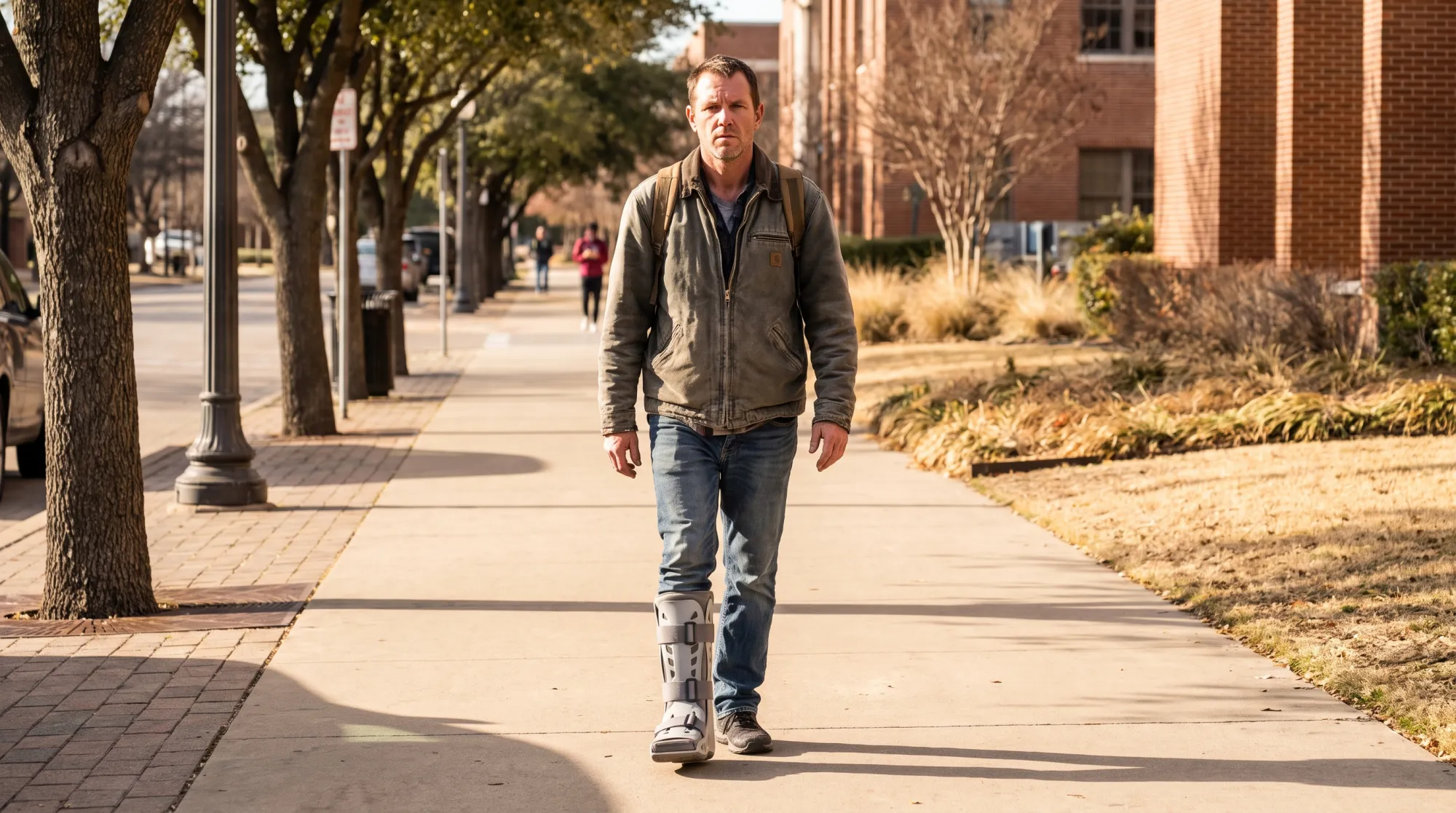
Most fractures heal once the bone is reduced and held still. A non-union is a fracture that has failed to unite in the expected time and shows no sign of progressing. Delayed healing and non-union are more likely with smoking, diabetes, poor blood supply at the fracture site, infection, inadequate immobilization, and certain bones — the scaphoid, the tibia and the fifth metatarsal are recurring offenders.
The biological problem at a non-union site is usually a shortage of the cells and signals that build bone, which is the rationale for delivering concentrated bone marrow directly into it.
Symptoms
What patients describe
- Pain at an old fracture site months after the injury
- Tenderness or movement at the fracture on examination
- X-rays showing a persistent fracture line
- Having been told the fracture "has not united"
- Being offered bone grafting or revision fixation
- Difficulty bearing weight or loading the limb
If this sounds like your situation, a consultation starts with finding out exactly which structure is causing the pain.
Treatment
Non-union treatment at RegenOrthoSport
Primary treatment
Image-guided stem cell therapy (BMAC)
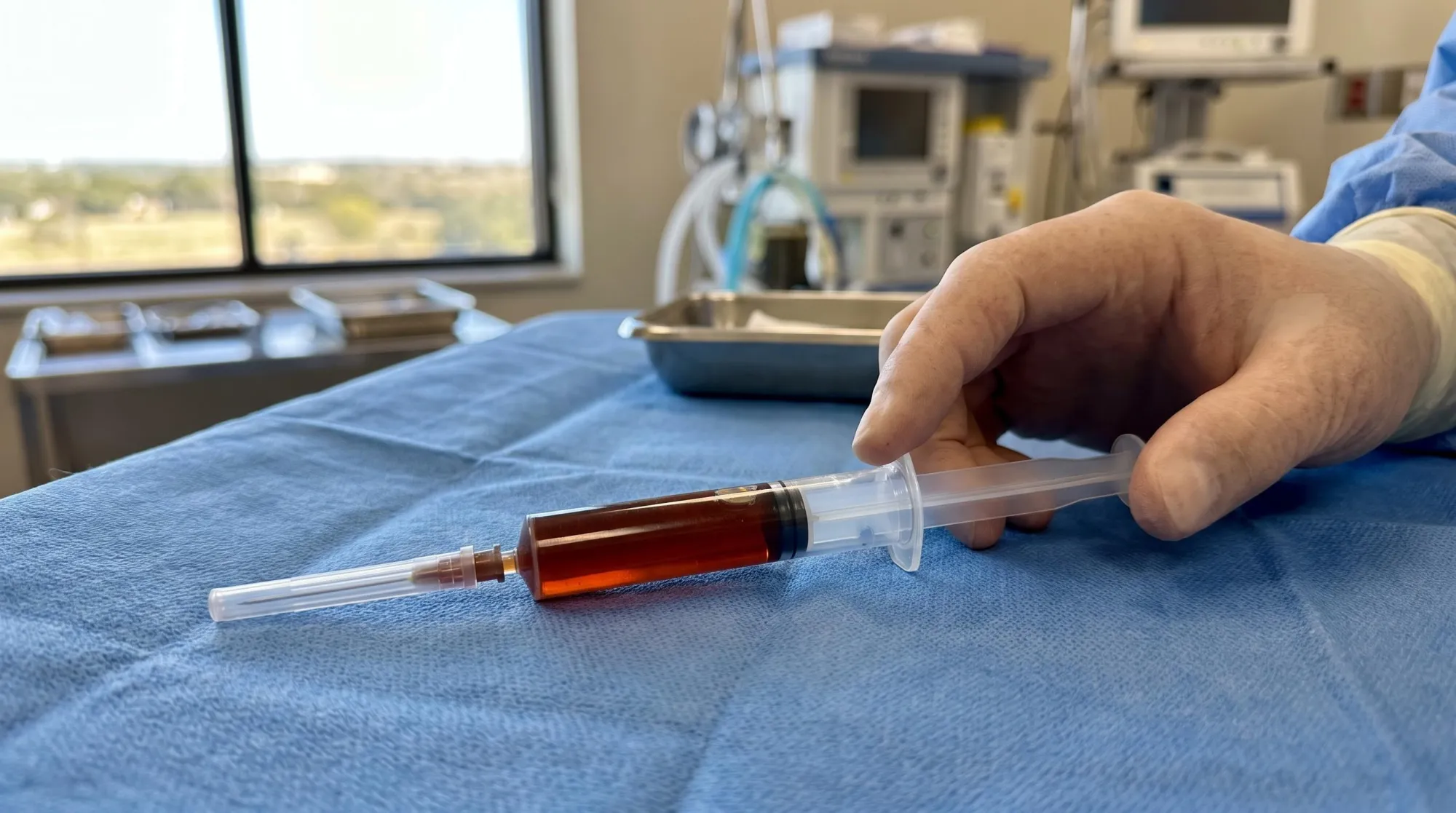
Bone marrow is aspirated from the pelvis, concentrated, and injected percutaneously into the non-union site under image guidance. Percutaneous bone marrow grafting for non-union has been studied by independent orthopedic groups for over twenty years.
Bone marrow is collected from the back of your hip, concentrated in a centrifuge, and placed by Dr. Movva under ultrasound or X-ray guidance so the treatment reaches the structure that is actually injured.

Before surgery or steroids
Why look at regenerative options first?
The standard surgical answer to a non-union is open bone grafting, usually with revised fixation. It works, and it remains the right answer for many patients — particularly where the fracture is unstable, infected, or has a gap that needs filling.
A percutaneous injection is a smaller intervention aimed at the biology rather than the mechanics. It is appropriate where the fracture is stable and well aligned but simply not healing, and it is not appropriate where the problem is mechanical or infective. Your imaging decides which of those you have.
Your plan
What treatment can include
- Review of your imaging and fixation to establish why the fracture has not united
- Image-guided percutaneous bone marrow concentrate into the non-union site
- Identification of contributing factors — smoking, medication, vitamin D, blood supply
- Protected loading and scheduled imaging follow-up
- Referral for surgical grafting where that is the better option
Every plan begins with a detailed assessment. Dr. Movva will tell you if regenerative treatment is not the right option for your case.
Recovery timeline
What to expect after treatment
All patients go home the same day. Mild soreness at the bone marrow collection site and injection areas is common for several days, as the healing process begins with a natural inflammatory response.
-
First few days
Mild soreness or stiffness is typical.
-
Weeks 2–6
Gradual improvement in pain, mobility, and daily function.
-
Months 2–6
Continued healing as stem cells and growth factors support tissue repair.
-
Your rehab plan
Dr. Movva provides a personalized rehabilitation plan to help you achieve the best possible results.
Related
Other conditions we treat
Am I a candidate for regenerative orthopedic treatment?
Candidates are typically individuals seeking non-surgical options for joint pain, sports injuries, tendon or ligament damage, or degenerative orthopedic conditions. Your physician will determine whether regenerative treatment is appropriate based on your diagnosis, imaging findings, and overall health.
Who may not be a candidate?
Certain advanced injuries, severe joint damage, active infections, or specific medical conditions may make regenerative treatment less appropriate. Every patient receives a comprehensive evaluation to determine the safest and most effective treatment approach.
How long before I notice improvement?
Healing is a gradual biological process. Some patients begin noticing improvement within several weeks, while others continue to experience progress over several months as damaged tissues respond to regenerative treatment.
Are there risks or side effects?
Most patients experience only mild soreness, swelling, or stiffness for a few days after treatment. As with any medical procedure, there are potential risks, which your physician will discuss during your consultation along with the expected benefits based on your condition.
Consultation request
Ask about non-union treatment
Tell us where it hurts and how it is holding you back. Our team will contact you to schedule a consultation with Dr. Movva at our Dallas office.
- Consultation with Dr. Movva
- Review of your history and imaging
- An honest answer on candidacy
Prefer to talk? Call (817) 442-9292 or text (817) 441-0457.
Contact us or request an appointment
Fields marked * are required.