


Foot & ankle conditions
Ankle tendon tears
Image-guided regenerative treatment for Achilles, peroneal and posterior tibial tendon injuries, aimed at healing the tendon rather than working around it.
Understanding the condition
When an ankle tendon stops doing its job
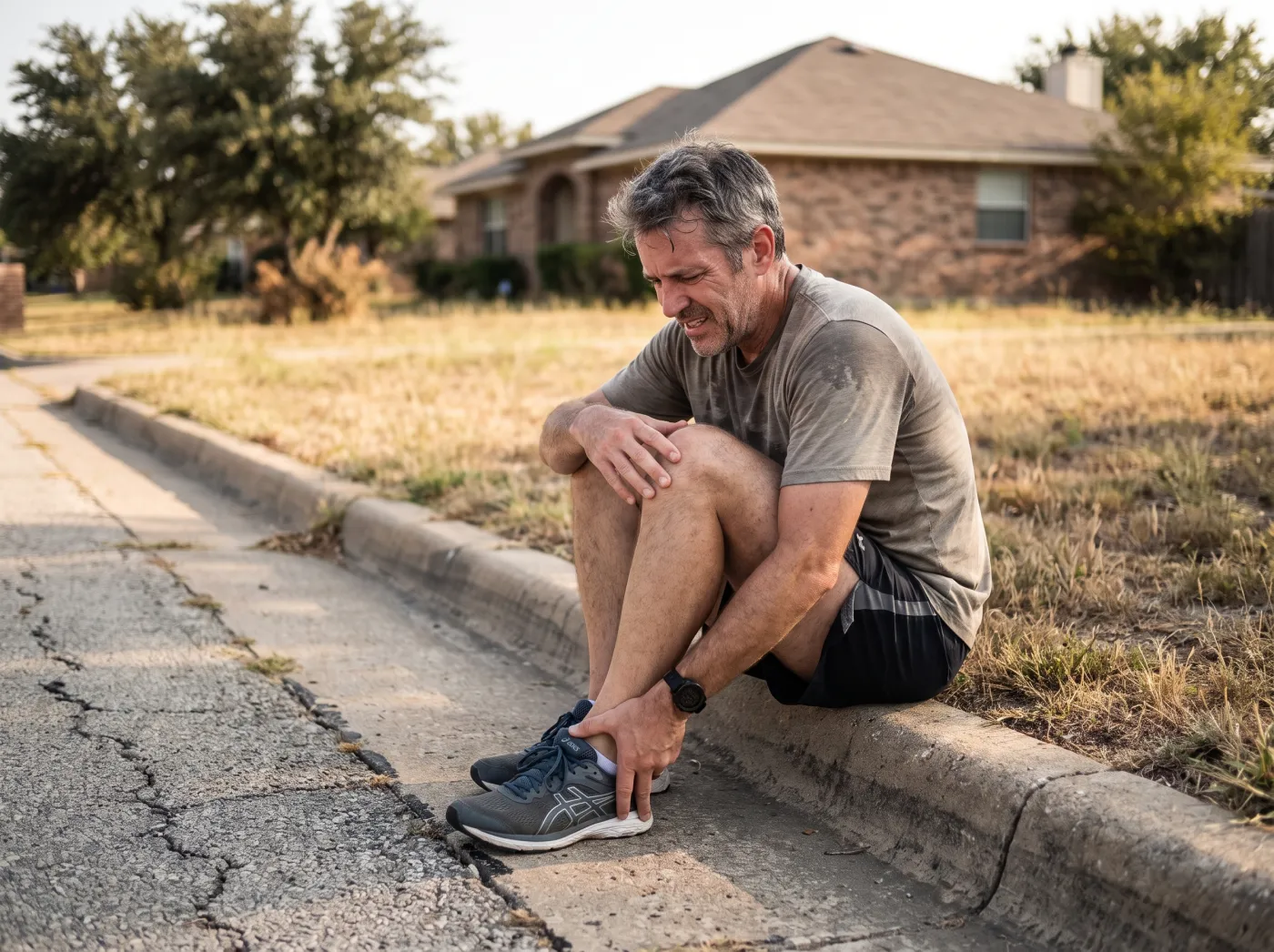
The tendons around the ankle — the Achilles at the back, the peroneals on the outside, the posterior tibial tendon on the inside — transmit the force that pushes you off the ground. A tear can happen suddenly during sport, or build up quietly as a partial, degenerative tear after months of overuse.
Partial tears and tendinopathy are the cases most often left in limbo: too painful to ignore, not clear-cut enough for surgery. Because tendon tissue has a limited blood supply, it can stay symptomatic long after the original injury, which is where a treatment aimed at the tissue itself becomes relevant.
Symptoms
What patients describe
- Pain at the back of the heel or along the outside or inside of the ankle
- A thickened, tender spot on the tendon
- Stiffness in the first steps of the morning
- Weakness pushing off, or trouble rising onto the toes
- Pain that returns every time you go back to running or court sport
- Swelling that settles with rest and comes back with activity
If this sounds like your situation, a consultation starts with finding out exactly which structure is causing the pain.
Treatment
Ankle tendon treatment at RegenOrthoSport
Primary treatment
Image-guided stem cell therapy (BMAC)
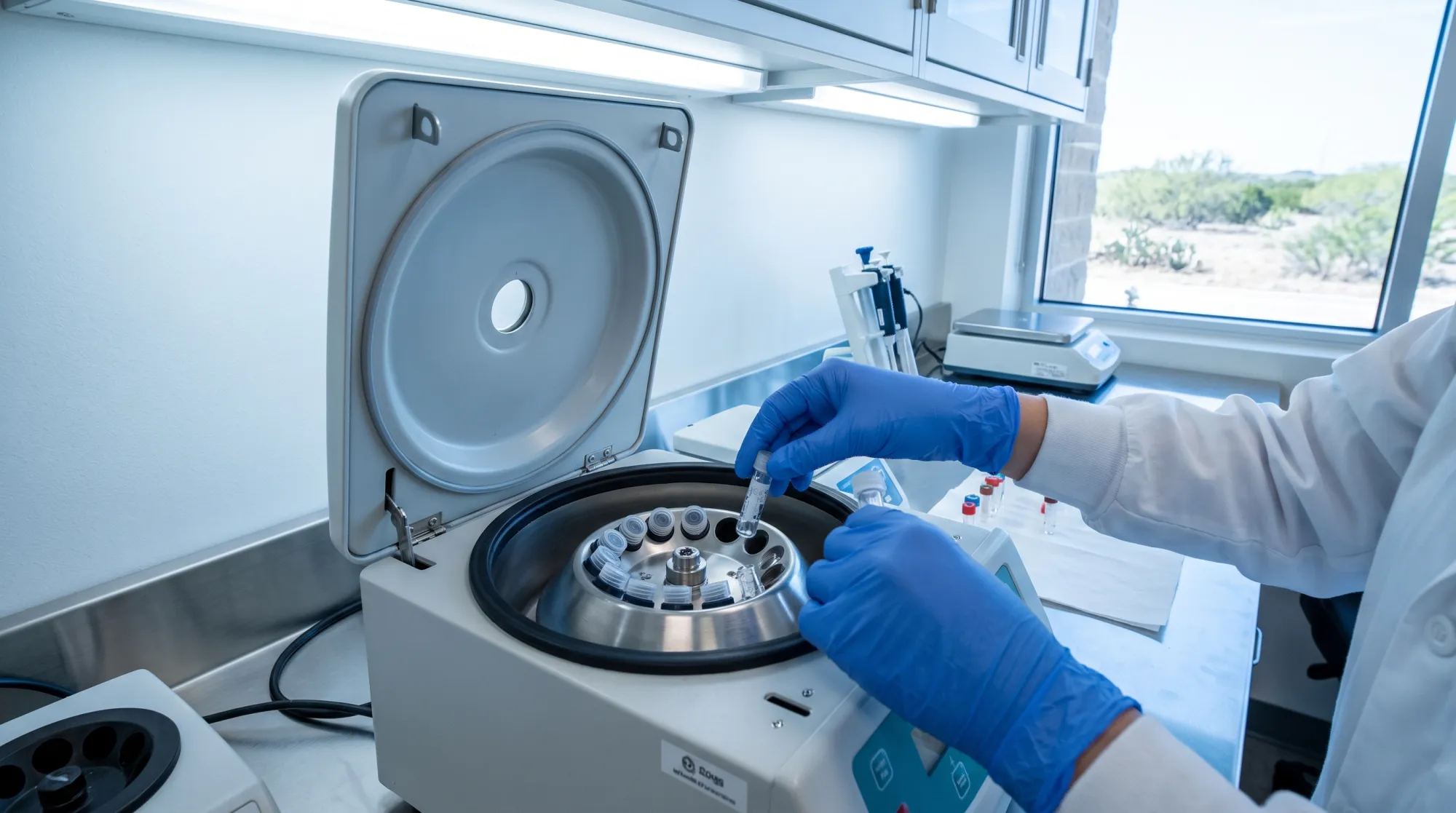
Bone marrow aspirate concentrate provides stem cells and growth factors that may support repair of a partially torn or degenerated ankle tendon.
Bone marrow is collected from the back of your hip, concentrated in a centrifuge, and placed by Dr. Movva under ultrasound or X-ray guidance so the treatment reaches the structure that is actually injured.
Before surgery or steroids
Why look at regenerative options first?
The usual next steps for a painful ankle tendon are a corticosteroid injection or a surgical repair. Steroid around a weight-bearing tendon is used cautiously, because it calms inflammation without repairing the tissue. Surgery has a role, particularly for a complete rupture, but it means immobilization and a long, staged return to activity.
Regenerative injections sit between those options. They are done in the office, under image guidance, and are designed to work on the damaged tendon itself. Whether they are appropriate depends on how much intact tendon remains — which is exactly what your evaluation is for.
Your plan
What treatment can include
- Image-guided bone marrow concentrate or PRP into the damaged tendon
- Ultrasound assessment of how much of the tendon is torn
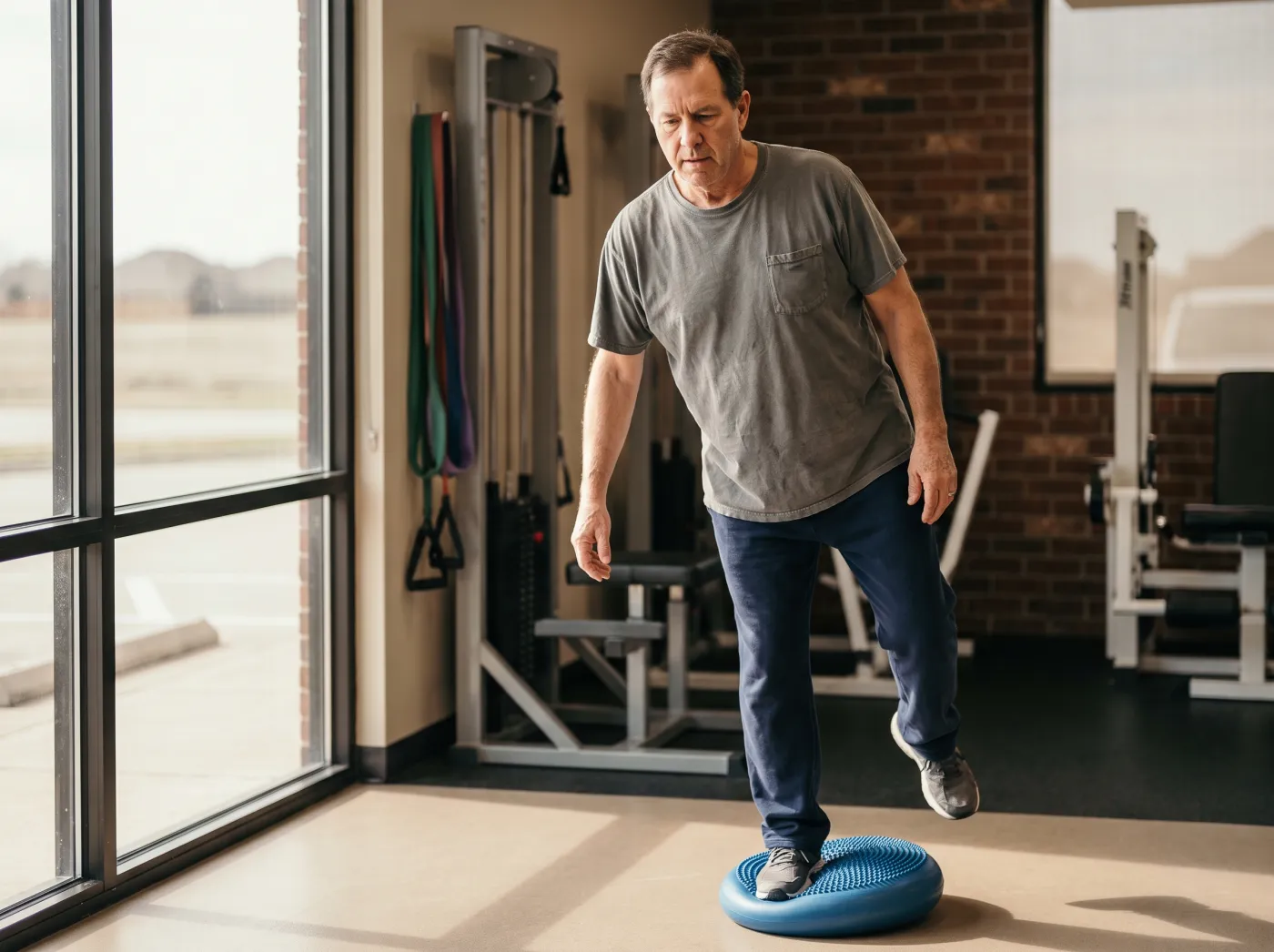
- A loading and strengthening program built around the tendon
- Temporary changes to footwear, orthotics or training volume
- A staged return to running or court sport
Every plan begins with a detailed assessment. Dr. Movva will tell you if regenerative treatment is not the right option for your case.
Recovery timeline
What to expect after treatment
All patients go home the same day. Mild soreness at the bone marrow collection site and injection areas is common for several days, as the healing process begins with a natural inflammatory response.
-
First few days
Mild soreness or stiffness is typical.
-
Weeks 2–6
Gradual improvement in pain, mobility, and daily function.
-
Months 2–6
Continued healing as stem cells and growth factors support tissue repair.
-
Your rehab plan
Dr. Movva provides a personalized rehabilitation plan to help you achieve the best possible results.
Related
More foot & ankle conditions
Am I a candidate for regenerative orthopedic treatment?
Candidates are typically individuals seeking non-surgical options for joint pain, sports injuries, tendon or ligament damage, or degenerative orthopedic conditions. Your physician will determine whether regenerative treatment is appropriate based on your diagnosis, imaging findings, and overall health.
What is recovery like after treatment?
Recovery is typically much shorter than traditional orthopedic surgery. All patients go home the same day and gradually resume normal daily activities based on their physician's recommendations and individualized rehabilitation plan.
Can I return to sports or exercise after the treatment?
Return to sports depends on your diagnosis, the procedure performed, and your body's healing response. Our team develops individualized recovery plans designed to help patients safely return to their desired activities as healing progresses.
How long before I notice improvement?
Healing is a gradual biological process. Some patients begin noticing improvement within several weeks, while others continue to experience progress over several months as damaged tissues respond to regenerative treatment.
Consultation request
Get your ankle evaluated
Tell us where it hurts and how it is holding you back. Our team will contact you to schedule a consultation with Dr. Movva at our Dallas office.
- Consultation with Dr. Movva
- Review of your history and imaging
- An honest answer on candidacy
Prefer to talk? Call (817) 442-9292 or text (817) 441-0457.
Contact us or request an appointment
Fields marked * are required.