


Hip conditions
Osteonecrosis (avascular necrosis)
Early-stage avascular necrosis is one of the conditions where treating the bone itself, before the joint surface collapses, matters most.
Understanding the condition
Bone that has lost its blood supply
Osteonecrosis, also called avascular necrosis (AVN), is the death of bone tissue caused by a loss of its blood supply. In the hip it affects the femoral head — the ball of the joint. Recognized associations include high-dose or prolonged corticosteroid use, heavy alcohol use, trauma, sickle cell disease and some clotting disorders, and a proportion of cases have no identified cause.
Timing is the central issue. While the surface of the bone is still intact, the goal is to support the bone and prevent collapse. Once the femoral head has collapsed and the joint surface is damaged, the conversation changes to joint replacement.

Symptoms
What patients describe
- Deep groin pain, sometimes referred to the thigh or buttock
- Pain on weight-bearing that later becomes constant
- Stiffness and reduced rotation of the hip
- A limp, or shortening of your walking distance
- A history of steroid treatment, trauma or heavy alcohol use
- An MRI report that mentions osteonecrosis or AVN
If this sounds like your situation, a consultation starts with finding out exactly which structure is causing the pain.
Treatment
AVN treatment at RegenOrthoSport
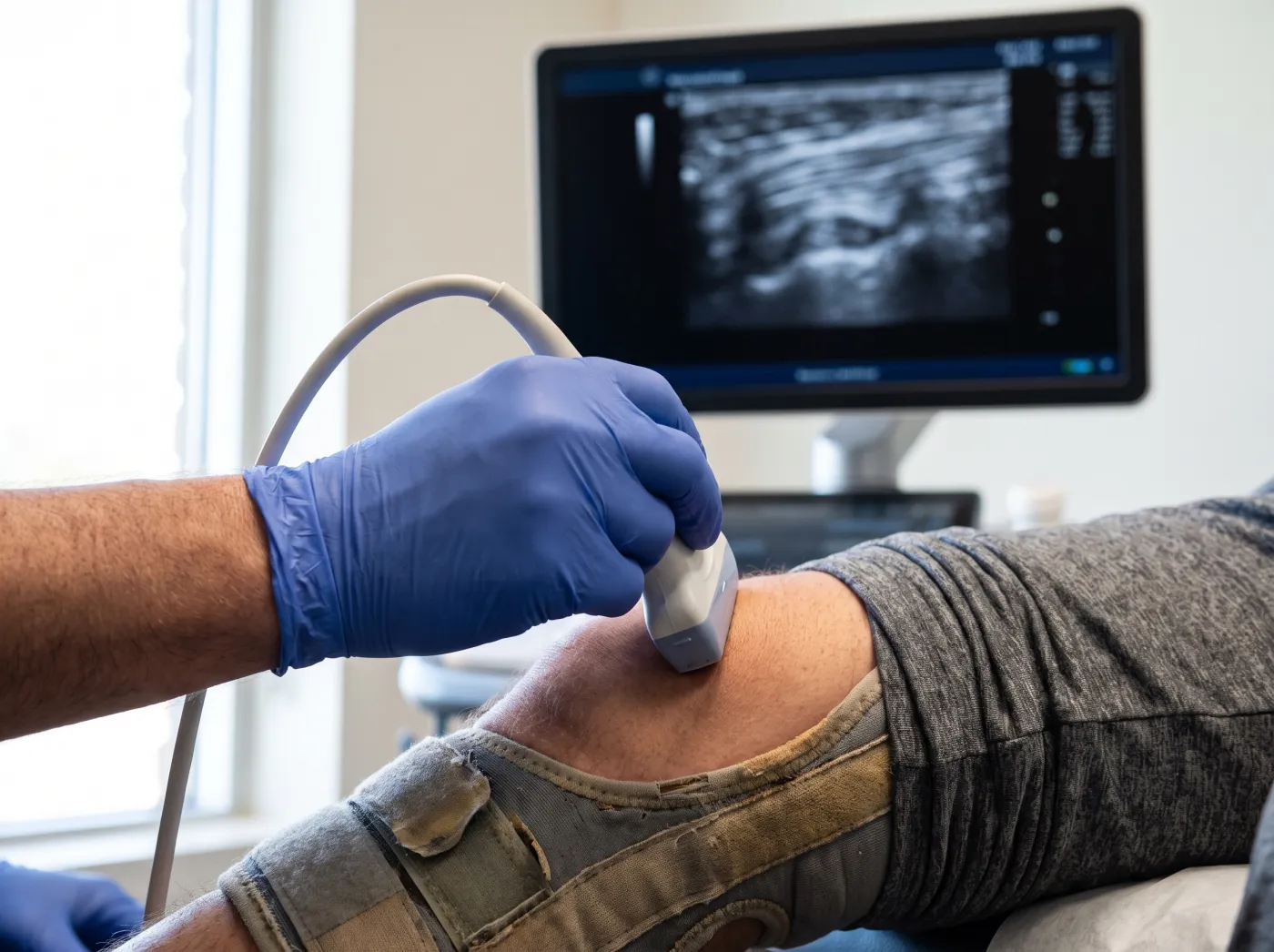
Primary treatment
Image-guided stem cell therapy (BMAC)
Bone marrow concentrate is delivered into the affected area of bone under image guidance, often alongside decompression of the lesion. This approach is directed at early-stage disease, before the femoral head collapses.
Bone marrow is collected from the back of your hip, concentrated in a centrifuge, and placed by Dr. Movva under ultrasound or X-ray guidance so the treatment reaches the structure that is actually injured.
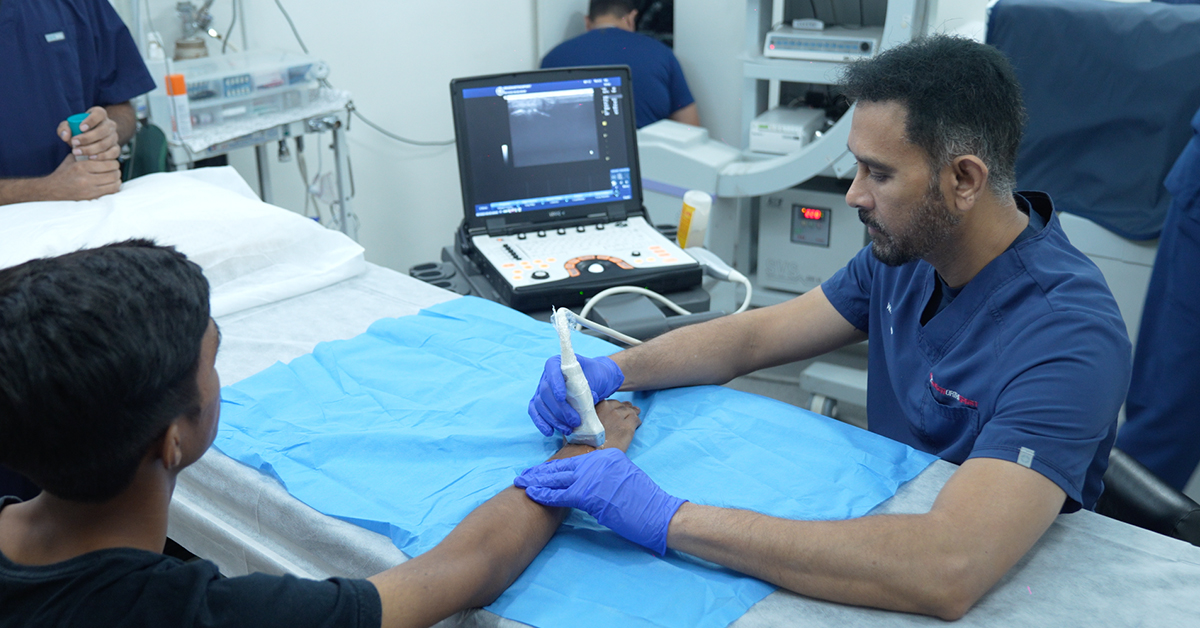
Before surgery or steroids
Why look at regenerative options first?
Left alone, a significant proportion of symptomatic femoral head osteonecrosis progresses to collapse and then to hip replacement — often in patients who are young for that operation and will likely need revision later in life.
Core decompression combined with bone marrow grafting has been studied in this specific setting for decades, including in long-term randomized follow-up by independent groups. It is not a guarantee, and it is stage-dependent: the honest answer depends on your MRI. Our evidence page lists the published work we rely on.
Your plan
What treatment can include
- MRI staging to establish whether the femoral head is still intact
- Image-guided bone marrow concentrate, with decompression where indicated
- Identification and management of the underlying cause where one exists
- Protected weight-bearing during the healing period
- Scheduled imaging follow-up to monitor the lesion
Every plan begins with a detailed assessment. Dr. Movva will tell you if regenerative treatment is not the right option for your case.
Recovery timeline
What to expect after treatment
All patients go home the same day. Mild soreness at the bone marrow collection site and injection areas is common for several days, as the healing process begins with a natural inflammatory response.
-
First few days
Mild soreness or stiffness is typical.
-
Weeks 2–6
Gradual improvement in pain, mobility, and daily function.
-
Months 2–6
Continued healing as stem cells and growth factors support tissue repair.
-
Your rehab plan
Dr. Movva provides a personalized rehabilitation plan to help you achieve the best possible results.
Related
More hip conditions
Am I a candidate for regenerative orthopedic treatment?
Candidates are typically individuals seeking non-surgical options for joint pain, sports injuries, tendon or ligament damage, or degenerative orthopedic conditions. Your physician will determine whether regenerative treatment is appropriate based on your diagnosis, imaging findings, and overall health.
Who may not be a candidate?
Certain advanced injuries, severe joint damage, active infections, or specific medical conditions may make regenerative treatment less appropriate. Every patient receives a comprehensive evaluation to determine the safest and most effective treatment approach.
Can regenerative treatments help if I've already been told I need surgery?
Some patients who have been advised to undergo surgery may still benefit from a regenerative orthopedic evaluation. Depending on the condition and its severity, advanced non-surgical treatments may be an option to help improve function or potentially delay surgery. However, surgery remains the best treatment for some conditions, and recommendations are made on an individual basis.
How long before I notice improvement?
Healing is a gradual biological process. Some patients begin noticing improvement within several weeks, while others continue to experience progress over several months as damaged tissues respond to regenerative treatment.
Consultation request
Get your hip evaluated
Tell us where it hurts and how it is holding you back. Our team will contact you to schedule a consultation with Dr. Movva at our Dallas office.
- Consultation with Dr. Movva
- Review of your history and imaging
- An honest answer on candidacy
Prefer to talk? Call (817) 442-9292 or text (817) 441-0457.
Contact us or request an appointment
Fields marked * are required.